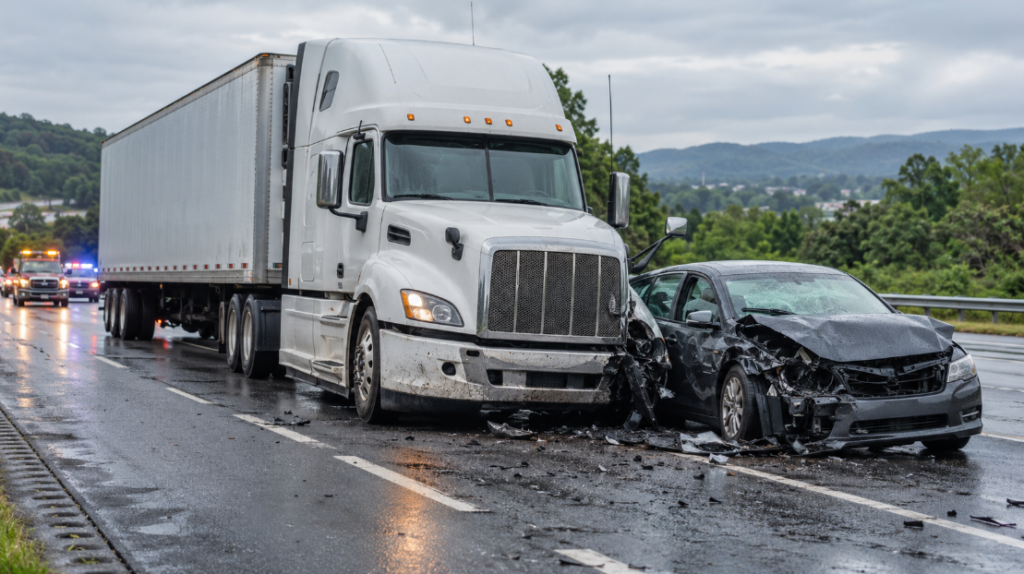
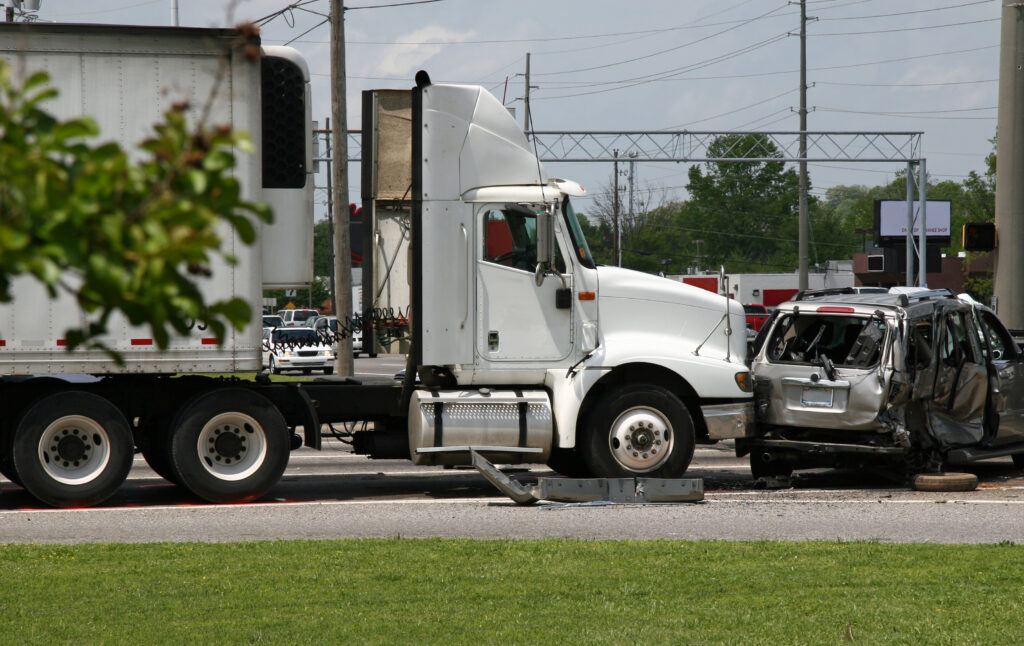
After a truck accident in South Carolina, call 911 and get medical care. Then make sure a police report is filed, preserve the evidence, and avoid giving the trucking company’s insurer a recorded statement. You generally have three years to file an injury claim, though some cases have shorter deadlines. The first days matter because trucking companies keep some records for only a limited time, and protecting your truck accident claim starts early. You don’t have to do this alone. A truck accident lawyer can help with evidence and insurers.
What should I do right away after a commercial truck crash in Greenville?
Call 911 and ask for medical help, even if you think your injuries are minor. If it’s safe, document the scene. In Greenville, Spartanburg, Anderson, and Pickens counties, the responding agency may be local police, the sheriff’s office, or the South Carolina Highway Patrol.
- Get medical care: Adrenaline can hide pain, and medical records link your injuries to the crash.
- Get the police report: Ask the officer for the report number, then request a copy through the SC Department of Motor Vehicles. South Carolina law requires notice to law enforcement after a crash with injury or death, and a written report to the DMV within 15 days if police don’t investigate.
- Collect information: Write down the carrier name and USDOT number on the truck, the driver’s name, the license plate, the insurance details, and witness contacts.
What evidence should I preserve after a truck accident?
Preserve anything that shows who is at fault and how you were hurt, starting with photos and witness details. Some of the most important evidence belongs to the trucking company, which is where a preservation letter comes in:
- Photos and video: The vehicles, the road, skid marks, the truck’s markings, and your injuries.
- Your vehicle and belongings: Don’t repair or scrap your vehicle until it has been photographed and inspected.
- Medical records and bills: Keep every one, plus daily symptom notes.
What is a preservation letter, and why does early action matter?
A preservation letter, also called a spoliation letter, is a written request telling a trucking company and its insurer to keep records and data related to your crash. Spoliation is the loss or destruction of evidence. Federal rules set short clocks: carriers must keep driver logs for six months, maintenance records for one year, and an accident register for three years. Black box data (the truck’s electronic control module) and dash camera video can be overwritten when the truck returns to service. A letter sent early puts the company on written notice. Our post on how FMCSA rules affect your truck accident claim explains which records carriers must keep.
Should I give the trucking company’s insurer a recorded statement?
No. You’re generally not required to give the trucking company’s insurer a recorded statement, and it’s usually wise to wait until you understand your injuries and your options. The adjuster works for the insurer, and your words can be used to question your account.
You can give your name and contact information and say you aren’t ready to give a statement. Your own insurer is different, because your policy may require cooperation, so read it first.
How long do I have to file a truck accident claim in South Carolina?
Most South Carolina injury claims, including truck accident claims, must be filed within three years under S.C. Code Section 15-3-530. A wrongful death claim (a claim filed when someone dies because of another party’s wrongful act) also has a three-year limit, which starts on the date of death and is brought by the estate’s personal representative.
Shorter deadlines can apply. If a government vehicle was involved, the South Carolina Tort Claims Act generally requires a lawsuit within two years of when the loss was or should have been discovered, and it sets a separate claim process with its own time limits.
Who is at fault in a truck accident?
Fault can fall on the driver, the trucking company, or both, and it’s decided by the evidence. Our guide on how fault is determined after a truck accident in South Carolina explains comparative negligence, and our article on who is liable in a truck accident covers how employment status affects the split.
Frequently asked questions
Should I move my vehicle after a truck accident?
If it’s safe and no one is seriously hurt, move out of traffic. If someone has serious injuries or has died, South Carolina law says vehicles shouldn’t be moved until the investigating officer authorizes it.
Can I still file a claim if I didn’t feel hurt at the scene?
Yes. Some injuries don’t show up for hours or days. Get checked and tell providers about the crash.
What if the police didn’t file a crash report?
Report it to law enforcement. If officers didn’t investigate, the driver or owner must file a written report with the SC Department of Motor Vehicles within 15 days if there is an injury, a death, or $1,000 or more in property damage.
Should I accept the trucking company’s first settlement offer?
Be careful. Early offers often come before the full extent of your injuries is known, and signing a settlement usually ends your claim, even if complications arise later. Talk with an attorney first.
How soon should a preservation letter be sent?
As early as possible. Driver logs can be discarded after six months, and black box data and dash camera video can be overwritten much sooner.
Speak With a Greenville Personal Injury Lawyer
If an accident or negligent act has caused a serious injury, you do not have to deal with the legal process alone. Speak with Thomas Creech Law Offices to understand your options and the next steps in your case. Contact our personal injury law firm in Greenville, SC, to request a free consultation.
This article is general information, not legal advice, and reading it or contacting the firm doesn’t create an attorney-client relationship.