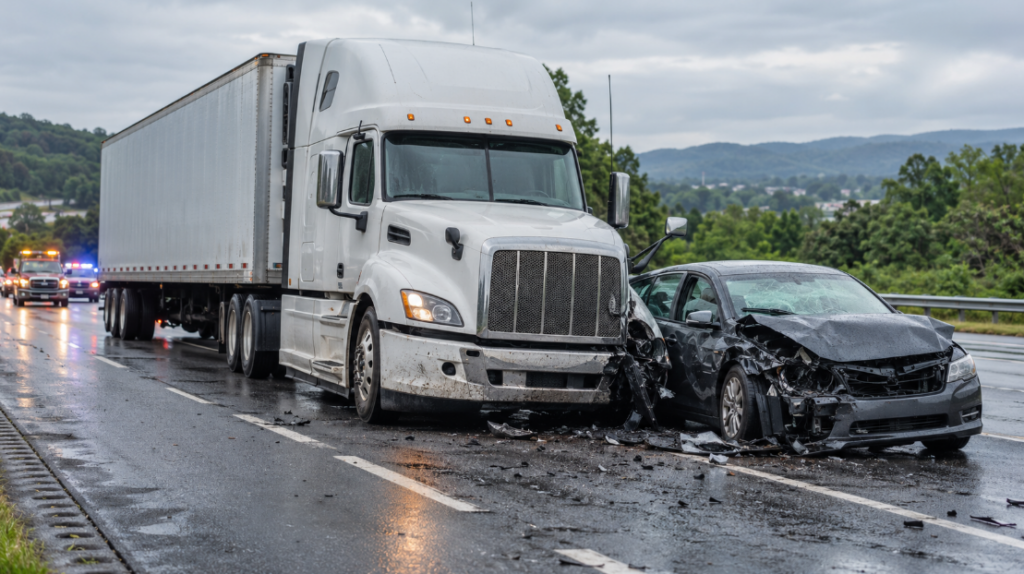
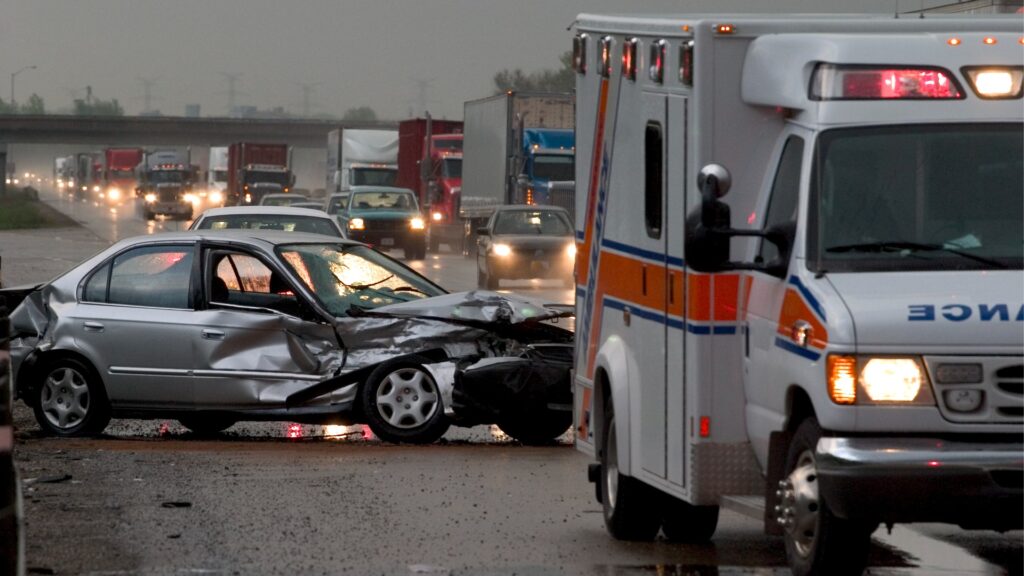
Knowing what to do after a car accident in Greenville, SC can help you protect your health, meet your reporting responsibilities, and preserve useful information about the collision.
Start by checking for injuries and moving out of danger when it is safe. Call 911 when someone is injured, the collision is blocking traffic, or emergency help is needed. You should then exchange information, document the scene, seek appropriate medical care, and notify your insurance company.
This guide provides general information about steps to take after a car accident. It is not legal or medical advice for your specific circumstances.
Quick Checklist After a Greenville Car Accident
Follow these steps after a collision:
- Check yourself, your passengers, and others for injuries.
- Call 911 if anyone is injured or the accident creates a safety risk.
- Move drivable vehicles out of traffic when it is safe.
- Exchange driver, vehicle, contact, and insurance information.
- Photograph the vehicles, road, surroundings, and visible injuries.
- Collect names and contact details from witnesses.
- Seek medical care for injuries or concerning symptoms.
- Keep police, medical, repair, and insurance records.
- Notify your insurance company using accurate information.
- Consider legal advice if the collision caused serious injuries or a disputed claim.
Check for Injuries and Call for Help
Check everyone involved for injuries before focusing on vehicle damage or insurance information. Call 911 if anyone is hurt, unresponsive, trapped, or in immediate danger.
Do not move someone who may have a serious injury unless remaining where they are creates a greater risk. Wait for emergency medical personnel and follow their instructions.
You should also look for immediate hazards, including:
- Passing traffic
- Leaking fuel
- Smoke or fire
- Broken glass
- Unstable vehicles
- Damaged utility equipment
Turn on your hazard lights if possible. Move yourself and your passengers to a safer position away from moving traffic.
Move the Vehicles When It Is Safe
If the accident only caused vehicle damage and the vehicles can be driven safely, make a reasonable effort to move them out of the road. Use a shoulder, nearby parking area, or another safe location.
South Carolina law addresses moving vehicles after accidents involving only vehicle damage. Moving a drivable vehicle out of traffic can reduce congestion and the risk of another collision.
If it is safe, take quick photographs of the vehicles’ original positions before moving them. Do not remain in a dangerous traffic lane to take pictures.
Do not move a vehicle when:
- It cannot be driven safely.
- Someone may have a serious injury.
- Moving it could create another hazard.
- Law enforcement tells you to leave it in place.
Moving to a safer position does not mean leaving the accident. Remain nearby, exchange the required information, and speak with responding officers.
Exchange Information Without Discussing Fault
Drivers should exchange identifying, vehicle, and insurance information after a collision. Stay calm and focus on collecting accurate details.
Record the following:
- Full name and contact information
- Driver’s license information
- License plate number
- Vehicle make, model, and color
- Vehicle registration details
- Insurance company and policy information
- Vehicle owner information if the driver does not own it
South Carolina Code 56-5-1230 requires drivers involved in certain accidents to provide identifying information and render reasonable assistance to an injured person.
Avoid arguing about who caused the crash. Do not guess about speed, distance, injuries, or other facts you do not know. A full investigation may uncover information that was not apparent at the scene.
Report a Car Accident in South Carolina
Knowing when to report a car accident in South Carolina is an important part of your responsibilities following a collision.
Call law enforcement when:
- Someone is injured or killed.
- The vehicles cannot be moved safely.
- The collision is blocking traffic.
- A driver leaves the scene.
- A driver appears impaired.
- The other driver refuses to exchange information.
- There is substantial property damage.
- Public property was damaged.
If the crash occurs within Greenville city limits, the Greenville Police Department may respond. Depending on the location, the Greenville County Sheriff’s Office or South Carolina Highway Patrol may be the appropriate responding agency.
When an officer arrives:
- Provide accurate information.
- Identify any injuries or symptoms.
- Ask for the officer’s name and agency.
- Record the report or incident number.
- Ask how you can obtain the completed report.
South Carolina has an additional reporting requirement when law enforcement does not investigate the collision. Under South Carolina Code 56-5-1270, the operator or owner must submit a written report and verification of insurance to the DMV within 15 days when an uninvestigated accident causes injury, death, or at least $1,000 in apparent total property damage.
The South Carolina DMV forms page provides the FR-309 Traffic Collision Report and FR-50 Request for Copy of Collision Report.
Document the Scene and Preserve Evidence
Photographs and records can help establish where the crash occurred, the damage it caused, and the conditions at the time.
If you can do so safely, photograph:
- All sides of each vehicle
- Close-up and wider views of the damage
- Vehicle positions
- Skid marks and debris
- Traffic lights and road signs
- Road and weather conditions
- Nearby businesses and possible cameras
- Damaged personal belongings
- Visible injuries
Collect the names and contact information of witnesses. A person who saw the collision may provide information that the drivers did not notice.
Keep any dashcam recording and save copies in more than one location. You should also retain towing documents, repair estimates, receipts, medical records, insurance correspondence, and paperwork provided by law enforcement.
Good car accident evidence records what happened without relying entirely on memory. Do not enter traffic, interfere with emergency personnel, or put yourself at risk to collect it.
Seek Medical Treatment After the Accident
Seek emergency treatment for severe pain, difficulty breathing, heavy bleeding, loss of consciousness, confusion, weakness, or other serious symptoms.
Some delayed car accident injuries may not produce noticeable symptoms at the scene. Pain, headaches, stiffness, dizziness, or numbness may appear or become worse later. Contact an appropriate medical professional if you develop symptoms after leaving the accident.
Tell the medical provider when and how the collision occurred. Follow the treatment instructions and attend recommended follow-up appointments.
Keep copies of:
- Medical bills
- Treatment summaries
- Test results
- Prescriptions
- Referral documents
- Explanations of benefits
- Records of missed work
You can also read about signs that a car accident injury may be more serious than you think.
Notify Your Insurance Company
Notify your own insurance company promptly after the accident. Your policy may require you to report a collision and cooperate with the company’s investigation.
When making the initial report, provide accurate basic information, including:
- The date and time
- The location
- The vehicles involved
- The police report number
- A general description of the damage
- Known injuries
Dealing with insurance after a car accident requires care. Do not guess about fault or minimize injuries that have not been fully assessed. Ask questions when you do not understand a request, form, medical authorization, or settlement document.
Your duties to your own insurer may differ from requests made by another driver’s insurance company. Consider obtaining legal advice before giving a recorded statement to another insurer when serious injuries, disputed fault, or substantial losses are involved.
Keep Track of Medical Bills and Other Losses
Medical and financial records can help you understand the full effect of the accident.
Keep a file containing:
- Hospital and doctor bills
- Health insurance statements
- Prescription and medical-equipment receipts
- Vehicle repair and towing costs
- Rental-car expenses
- Proof of lost income
- Travel costs related to treatment
- Written insurance correspondence
Health insurance, medical payments coverage, or other available coverage may pay certain expenses. The way these bills are handled depends on the policies, treatment, and circumstances involved.
A health insurer may also seek reimbursement from a later settlement in some cases. Do not assume the other driver’s insurer will pay your medical providers immediately.
Avoid Common Mistakes After a Collision
Following the correct steps to take after a car accident also means avoiding actions that could create additional problems.
Common mistakes include:
- Leaving without exchanging information
- Failing to report an injury collision
- Delaying necessary medical attention
- Losing photographs or witness details
- Posting details or images on social media
- Guessing about fault
- Signing documents without reading them
- Accepting a settlement before understanding the injuries
- Ignoring letters from insurers or government agencies
- Repairing or disposing of important evidence too soon
Keep your statements accurate and limit public discussion of the collision. If you are uncertain about a document or request, ask for clarification before responding.
When Should You Contact a Car Accident Lawyer?
Consider speaking with a lawyer when the collision causes serious injuries, hospitalization, permanent limitations, lost income, a death, disputed fault, or problems with available insurance coverage.
Legal advice may also be useful when:
- Several vehicles were involved.
- A commercial or government vehicle was involved.
- The responsible driver left the scene.
- The insurer disputes the injuries or cause of the accident.
- Important video or vehicle evidence may be lost.
- You are pressured to accept an early settlement.
- You cannot manage the claim because of your injuries.
Not every minor collision requires legal representation. However, serious injury cases can involve medical evidence, insurance limits, liability disputes, and future losses that are difficult to assess early.
A Greenville car accident attorney can review the circumstances, explain the available options, and help preserve relevant evidence.
Frequently Asked Questions
How do I get a copy of a car accident report in South Carolina?
The South Carolina DMV provides Form FR-50 for requesting a copy of a collision report. You may also be able to request the report from the law enforcement agency that investigated the accident.
What should I do if the other driver leaves the scene?
Do not follow the other driver. Call 911, write down any available vehicle or license plate details, identify witnesses, and photograph the scene and resulting damage.
What happens if the other driver does not have insurance?
Your uninsured motorist coverage may apply when an uninsured driver causes the accident. Learn more about what happens when the driver who hit you does not have insurance in South Carolina.
Can I recover compensation if I was partly responsible?
South Carolina uses modified comparative negligence. A person may generally recover compensation when their share of fault does not exceed 50%, but the amount may be reduced according to their percentage of responsibility.
How long do I have to file a car accident lawsuit in South Carolina?
Many South Carolina personal injury actions have a three-year limitation period. Different deadlines or notice requirements may apply when a government agency, minor, death, or another special circumstance is involved, so the deadline should be checked for the specific case.
Protect Your Health and Keep Accurate Records
After a collision, focus first on safety and medical care. Report the accident when required, collect reliable information, keep your records, and communicate carefully with insurance companies. Thomas Creech Law Offices can help you understand your legal options if the accident caused serious injuries or claim problems.
If serious injuries or claim problems develop, contact Thomas Creech Law Offices for guidance about what to do after a car accident in Greenville, SC.