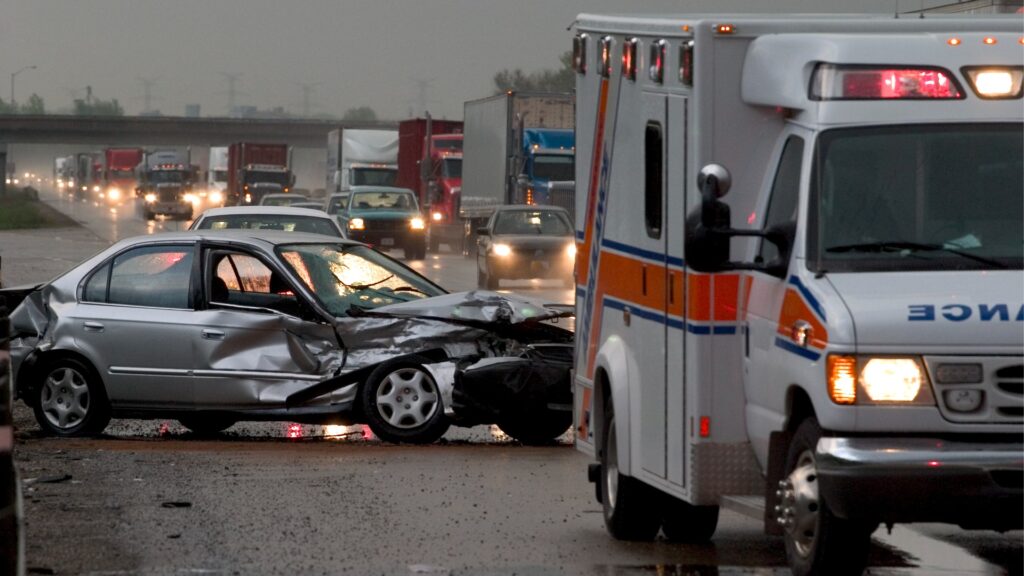
After a car accident, most people assume the at-fault driver’s insurance company will pay for their medical bills, vehicle repairs and other losses.
Unfortunately, that isn’t always the case.
Despite South Carolina law requiring drivers to carry auto insurance, some motorists get behind the wheel without coverage. Others carry only the minimum amount of liability insurance, which may not be enough to compensate someone who suffers serious injuries in a crash.
Learning that the driver who caused your accident has little or no insurance can be overwhelming, but it doesn’t necessarily mean you’re out of options. South Carolina law provides protections that may allow you to recover compensation through your own insurance policy.
Understanding how uninsured and underinsured motorist coverage works can help you make informed decisions after a serious collision.
How Common Are Uninsured Drivers in South Carolina?
Although South Carolina requires drivers to carry liability insurance, uninsured motorists remain a reality on the state’s roads. Financial hardships, lapsed policies and drivers who ignore insurance requirements all contribute to crashes involving uninsured vehicles.
Even when a driver does have insurance, the minimum required coverage may not come close to covering the cost of a serious accident. A crash involving catastrophic injuries, multiple surgeries or permanent disabilities can quickly exceed policy limits.
That’s why uninsured motorist (UM) and underinsured motorist (UIM) coverage are so important. These coverages are designed to help protect you when the at-fault driver’s insurance is unavailable or insufficient.
What Is Uninsured Motorist Coverage?
South Carolina requires auto insurance policies to include uninsured motorist coverage.
UM coverage may help pay for your damages if the driver who caused the crash:
- Has no auto insurance
- Cannot be identified after a hit-and-run accident
- Leaves the scene before they can be located
In many situations, your own insurance policy steps into the role the at-fault driver’s insurer would have played if they had been properly insured.
Depending on your policy and the circumstances of the accident, uninsured motorist coverage may help compensate you for medical expenses, lost income and other covered losses.
What Is Underinsured Motorist Coverage?
While uninsured motorist coverage applies when the other driver has no insurance, underinsured motorist coverage applies when the at-fault driver’s policy limits are too low to fully compensate you for your injuries.
For example, imagine another driver carries only the state’s minimum liability limits, but you suffer severe injuries that require surgery, months of rehabilitation and extended time away from work. The available insurance may be exhausted long before your financial losses are fully covered.
If you purchased underinsured motorist coverage, it may provide additional compensation after the at-fault driver’s policy has been used, subject to the terms and limits of your own policy.
Because every insurance policy is different, it’s important to understand what coverage you have before an accident occurs.
What Damages May Be Covered?
Every case is unique, but uninsured or underinsured motorist coverage may help compensate accident victims for losses such as:
- Emergency medical treatment
- Hospital stays and surgeries
- Ongoing rehabilitation and therapy
- Future medical expenses
- Lost wages
- Reduced earning capacity
- Pain and suffering
- Permanent disability or disfigurement
The available compensation depends on several factors, including your policy limits, the extent of your injuries and the specific facts surrounding the collision.
What Should You Do After an Accident With an Uninsured Driver?
The steps you take immediately after an accident can have a significant impact on both your health and your insurance claim.
If you’ve been injured, consider taking these important steps:
- Call 911 and report the accident.
- Seek medical attention as soon as possible, even if injuries seem minor.
- Take photographs of the vehicles, roadway and surrounding area if it is safe to do so.
- Collect contact information from witnesses.
- Notify your insurance company promptly.
- Keep records of your medical treatment, expenses and missed time from work.
- Speak with an attorney before accepting a settlement if your injuries are serious.
Prompt action helps preserve evidence and creates documentation that may become important if questions arise later about your injuries or the circumstances of the crash.
What If the Driver Leaves the Scene?
Hit-and-run accidents create another layer of uncertainty.
When a driver flees the scene, victims are often left wondering whether they will ever recover compensation for their injuries.
Fortunately, uninsured motorist coverage frequently applies in qualifying hit-and-run cases because the responsible driver cannot be identified.
These claims often require a thorough investigation. Surveillance cameras, eyewitness accounts, physical evidence and police reports may all play an important role in determining what happened.
The sooner evidence is preserved, the greater the opportunity to build a clear picture of the collision.
Your Own Insurance Company May Still Challenge Your Claim
Many people are surprised to learn that filing a claim through their own insurance company does not necessarily eliminate disputes.
Insurance companies—regardless of whose policy is involved—may still question:
- Whether your injuries were caused by the accident
- The necessity of certain medical treatments
- The value of your claim
- Whether you were partially at fault
- The amount of compensation you are seeking
While your insurer has contractual obligations under your policy, disagreements can still arise over coverage and the value of your damages.
Understanding your rights before agreeing to a settlement can help you make informed decisions during the claims process.
Why These Cases Can Be More Complicated Than They Appear
Accidents involving uninsured or underinsured drivers often involve more than simply determining who caused the crash.
Resolving these claims may require reviewing multiple insurance policies, analyzing available coverage, gathering medical records, documenting future financial losses and preserving evidence before it disappears.
Questions about policy limits, exclusions and available benefits can quickly become complicated, especially when serious injuries are involved.
A careful investigation helps ensure every potential source of compensation is identified before important decisions are made.
Understanding Your Legal Options
Discovering that the driver who caused your accident has little or no insurance can feel discouraging, but it doesn’t automatically prevent you from recovering compensation.
South Carolina’s uninsured and underinsured motorist laws exist to provide an additional layer of financial protection when another driver’s insurance falls short. Understanding how those protections apply to your situation is an important step toward protecting your future.
At Thomas Creech Law Offices, we help individuals and families throughout Greenville and the Upstate navigate complex car accident claims involving uninsured and underinsured drivers. We understand that every case is different, and we take the time to evaluate the facts, explain your legal options and pursue the compensation our clients deserve.
After a serious accident, you shouldn’t have to face uncertainty alone.
Start your Journey to Justice today.